Back to basics: Native advertising
Think ads need to be flashy to be effective? Think again. Great advertising should enhance, not disrupt, and native advertising does just that.
Native ads blend in with content, resulting in a win-win-win situation: a better experience for users, improved performance for advertisers, and increased revenues for publishers. Whether you want to improve your monetization strategy or boost campaign performance, native ads can make it happen.
What is native advertising?
Native ads fit seamlessly into the look and feel of non-advertising content, which improves engagement and overall user experience (UX). These ads complement the form, design, and function of their environment. As a result, they deliver a less intrusive UX. In recent years, native has become one of the top-performing digital advertising formats, with a growing percentage of advertisers using native ads as a key part of their campaigns. For brands, native advertising offers a versatile selection of styles to boost your campaign’s message while adding value to the online experience.
Native ad formats
Native ads mimic the context and layout of their surrounding organic content. That’s why there’s a variety of native display ad formats and native video ad formats to fit each app’s or website’s unique layout.
Content wall
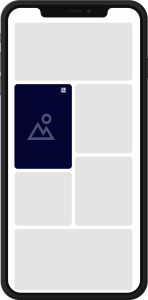
Content wall native ads are perfect for image-focused content on blogs, news apps or sites, and search engines. With an image-centric layout, this option blends in seamlessly without disrupting the user experience.

App wall
App wall native ads let advertisers insert sponsored content into a publisher’s list-offer view. This layout can be used for offer walls, directories for apps, and other listings.

News feed
News feed native ad layouts resemble an in-feed news story blurb or post. They are perfect for news sites, content feeds, and social media apps.

Carousel
Carousel native ad layouts are often found on news and social media sites and apps. They are ideal for showing multiple images and have the added benefit of being interactive. Users swipe sideways to view the ad’s images, making for a highly engaging ad format.

Content stream
This format is similar to the news feed native layout. The key difference is the emphasis on imagery. This makes content stream native ads more suitable for visually-driven content platforms and social media sites.

Native video
Native video ads fit seamlessly within apps with video content. To differentiate the ad placement from the matching video content, native video placements are wrapped with a logo, title, description, and call-to-action.
Benefits of native advertising for advertisers
Combat banner blindness
Native ads can help overcome ”banner blindness.” As native ads have the same look and feel as the publisher’s organic content (product listings, articles, social posts), users are more likely to spend time viewing and (ultimately engaging with) the ad.
Higher engagement
Consumers’ engagement isn’t forced and the ads aren’t disruptive, they provide the same experience as any other piece of content on the website/app. From the brand perspective it is a big opportunity to connect with users in a natural, engaging way. In fact, studies have found native ads have a click-through rate that is 8.8X higher than traditional display ads.
Benefits of native advertising for publishers
User friendly
Since they blend into the app interface, native ads’ biggest draw is their superior user experience. They look much less like traditional ads and much more like regular and relevant content. This can improve negative metrics such as site bounce rates and app uninstalls.
Higher eCPMs
Since native ads blend into the content flow, users tend to be more receptive to them. This yields improved engagement rates, which means higher eCPMs for publishers.
Native ad spending trends
Native advertising has been around a long time (as far back as 1885) — yet despite its age, this unique ad format is growing and thriving. As brands seek more seamless and engaging ways to connect with audiences, native ad spending continues to climb each year. With higher engagement rates and a less disruptive user experience, it’s no surprise that advertisers are shifting more of their budgets toward native formats.
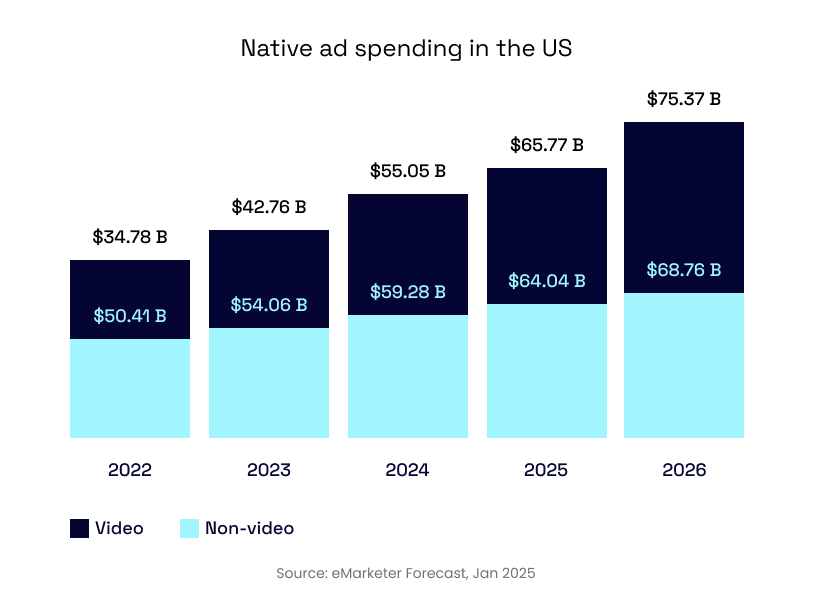
This year, ad spending for both native video and native display is expected to grow over $10 billion. Native advertising is not a passing trend — it is a cornerstone of digital advertising that has shaped the way brands engage with audiences. And as native ad spending continues to rise, advertisers and publishers alike will have increased opportunity to tap into more seamless, user-friendly ad experiences that drive real results.
Frequently asked questions (FAQ)
Native advertising is a type of paid media designed to match the style and format of the content surrounding it. Instead of appearing as a traditional banner ad or pop-up, native ads blend naturally into the user’s experience (e.g., within articles, social feeds, or recommendation units). This approach makes the ad feel more relevant and less disruptive, which can improve engagement and overall effectiveness. Brands use native advertising to communicate their message in a way that supports, rather than interrupts, the flow of content consumers are already interested in.
Mobile native advertising refers to ad formats specifically designed to blend into the content and layout of mobile apps or mobile websites. These ads follow the visual style, functionality, and user flow of the mobile environment. In-app native ads can appear within newsfeeds, content recommendation widgets, in-app content streams, or even as integrated card-style units. Because they align so closely with the mobile UX, they tend to feel more natural to users and often achieve higher engagement than traditional mobile display ads. Mobile native ads are especially effective for reaching consumers where they spend most of their time: on their smartphones.
Native ad platforms are networks that help advertisers deliver native ads across websites, apps, and other digital environments. These platforms can handle ad creation, targeting, distribution, and optimization. Most importantly, native ad platforms ensure that each ad matches the look and feel of the placement where it appears. Some platforms work directly with publishers, while others operate as programmatic exchanges that connect advertisers to native inventory at scale. Their goal is to make native advertising efficient, consistent, and highly relevant for the audiences viewing it.
The defining feature of native advertising is its ability to integrate naturally into the page layout and content environment, creating an ad experience that feels consistent and trustworthy.
Although native ads blend into the environment, you can spot native advertising by looking for small labels like “Sponsored” or “Promoted.” They look and feel like regular content, but compliant labeling helps users identify them.
In most cases, video native ads outperform static ads on metrics like engagement, time spent, and recall (see video advertising vs. display advertising). The combination of native placement and rich storytelling tends to drive stronger performance, though results vary by audience and environment.